
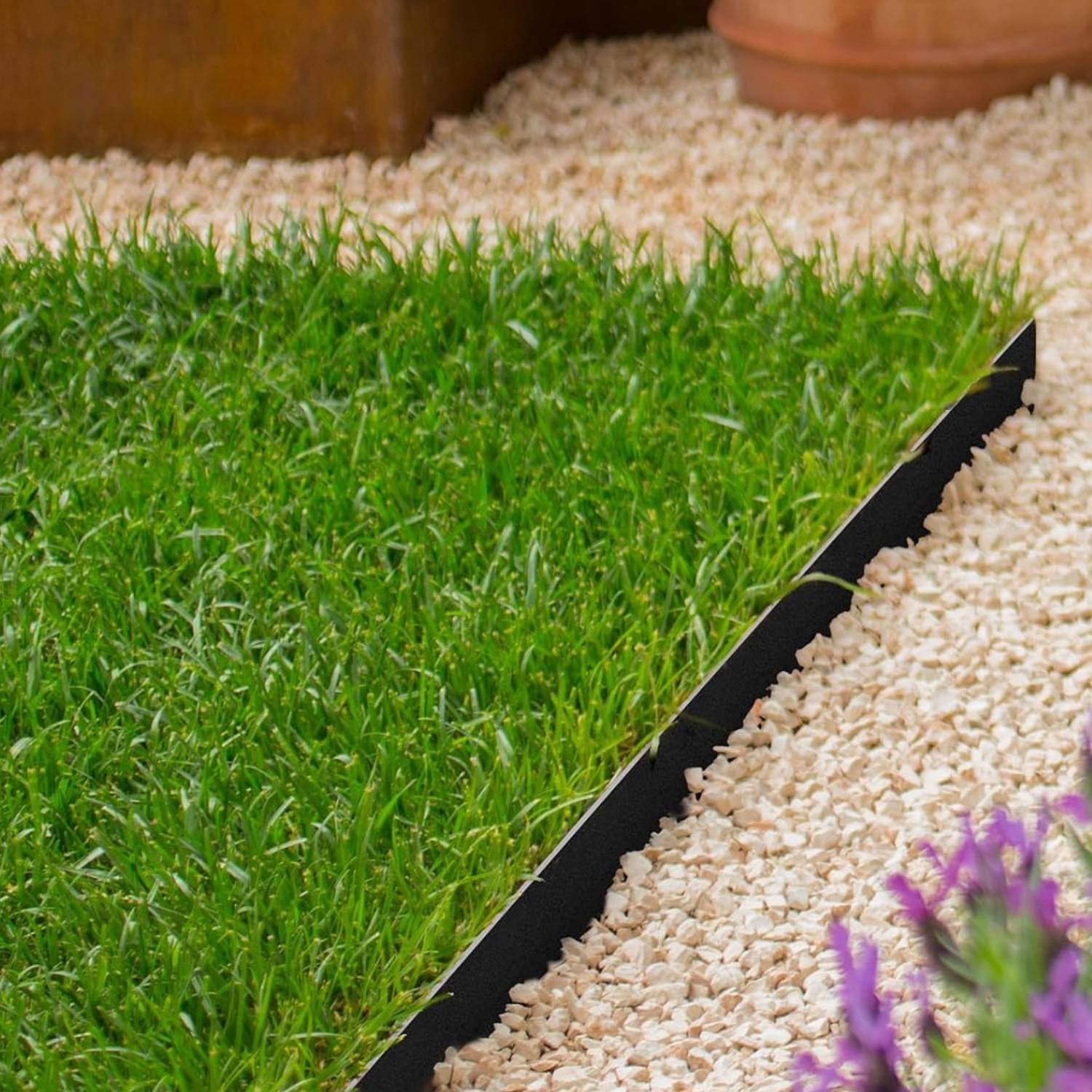
Black Metal Edging
Supplied by Lawn Care Company Thailand for use in gardens and outdoor spaces across Thailand.
฿590Delivery throughout Thailand
View product
Product category
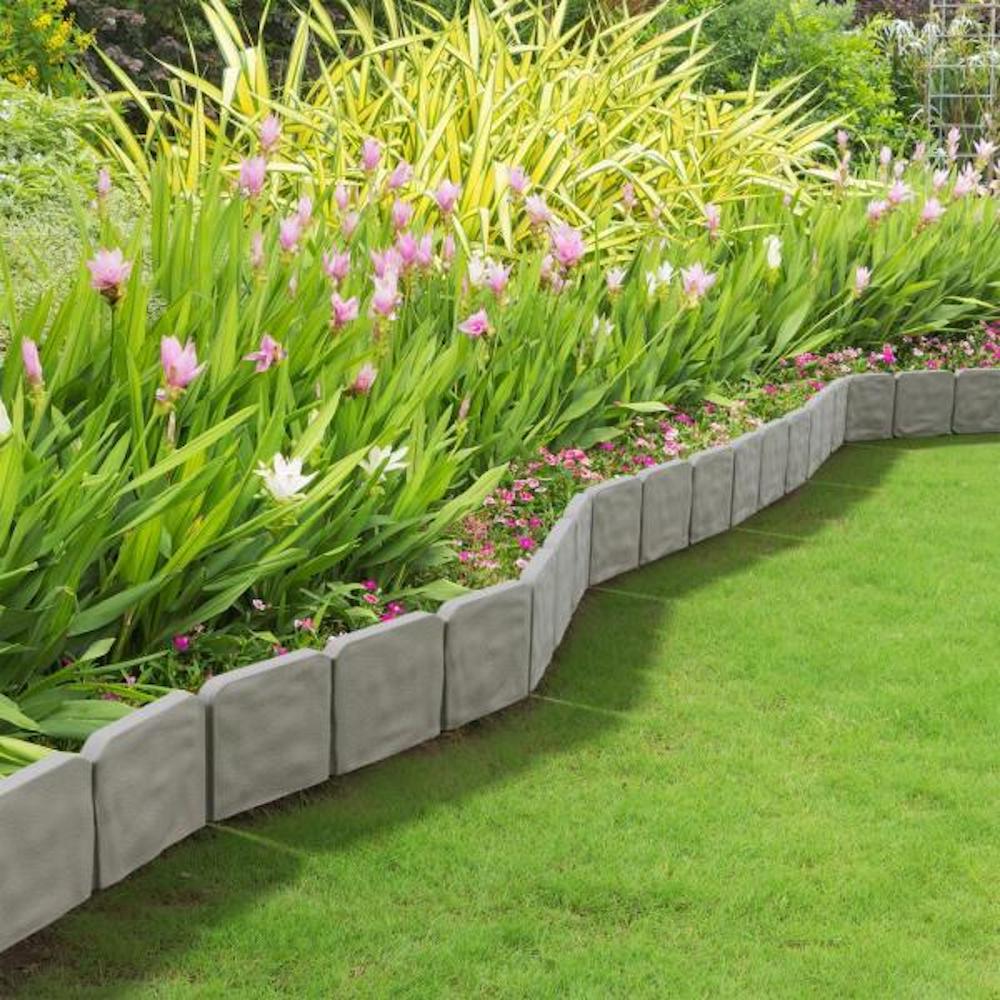
Adding garden border edging serves both practical and aesthetic purposes. Proper edging defines the boundary between lawn, flower beds and pathways, and keeps mulch and soil where you put them.
The complete guide
Adding garden border edging serves both practical and aesthetic purposes
Proper garden edging plays a key role in giving your yard a neat, professional look by clearly defining boundaries between lawn areas, flower beds, and pathways
Make your garden look more finished with these great landscaping edging ideas.
Whether you're growing herbs and flowers or fruits and veggies, garden edging is the finishing touch for any type of garden.
When placing landscape edging around garden beds, they'll look more polished and your garden mulch will stay in place. Plus, it will add character and charm to your home's curb appeal. For the best effect, look for edging that coordinates with the style of your house.
Here are some of the best materials for edging your garden beds.
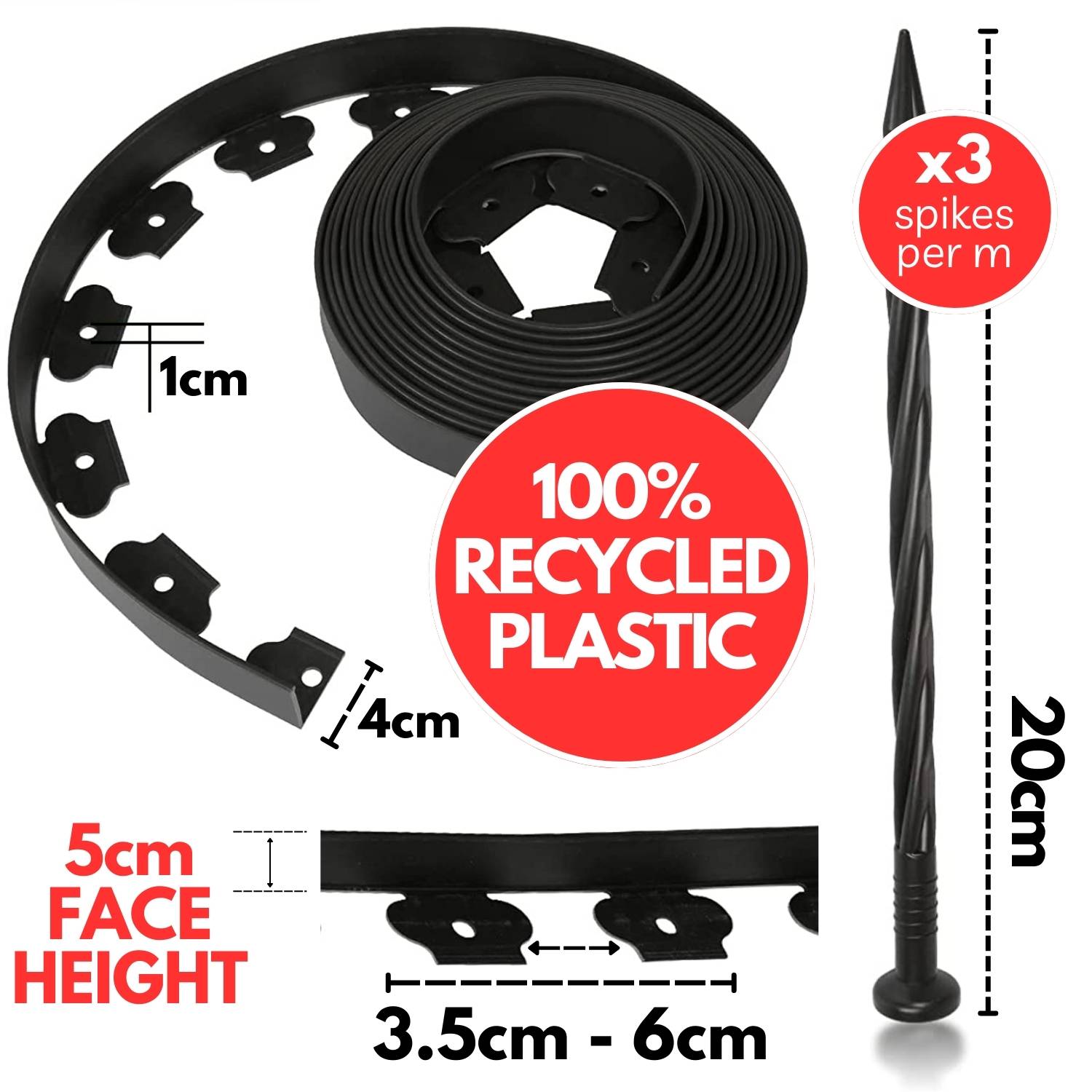
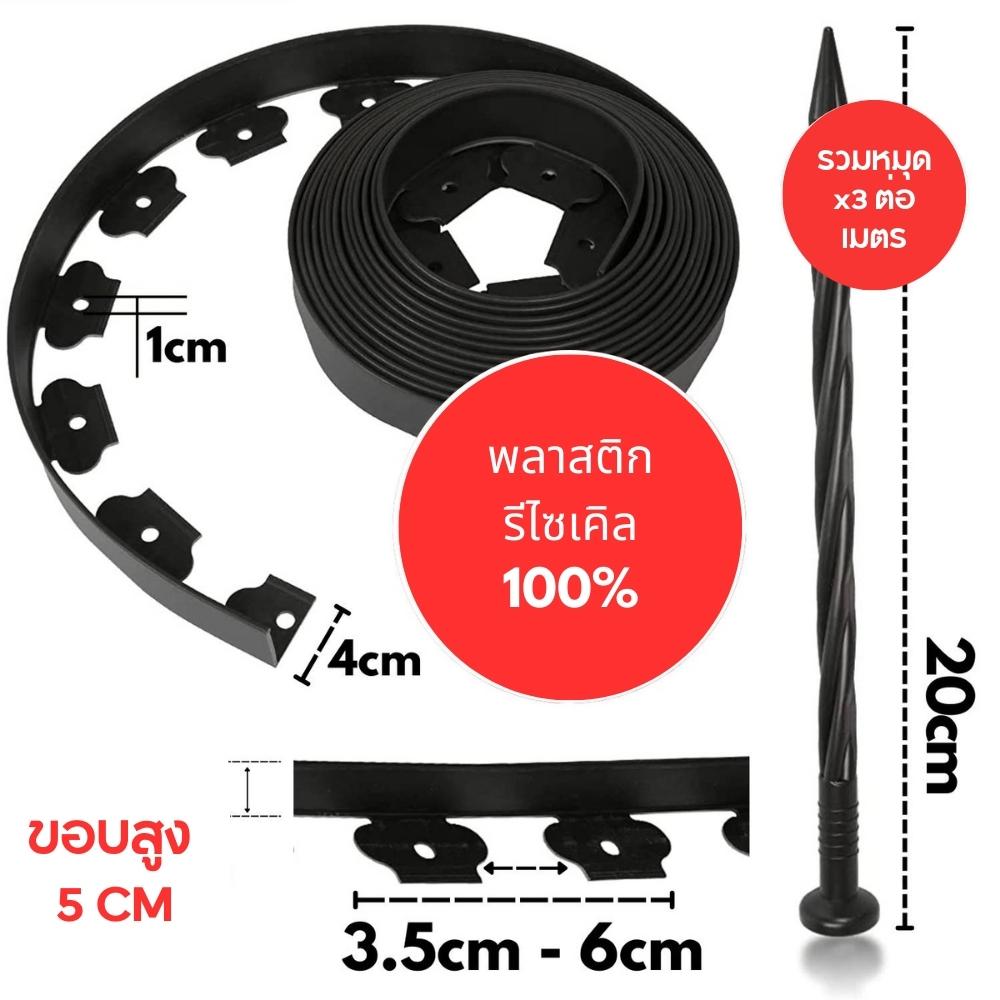
Plastic is relatively easy to install. It's available in long rolls of edging you peg into the ground.
Pros: Inexpensive and long-lasting
Cons: basic in design
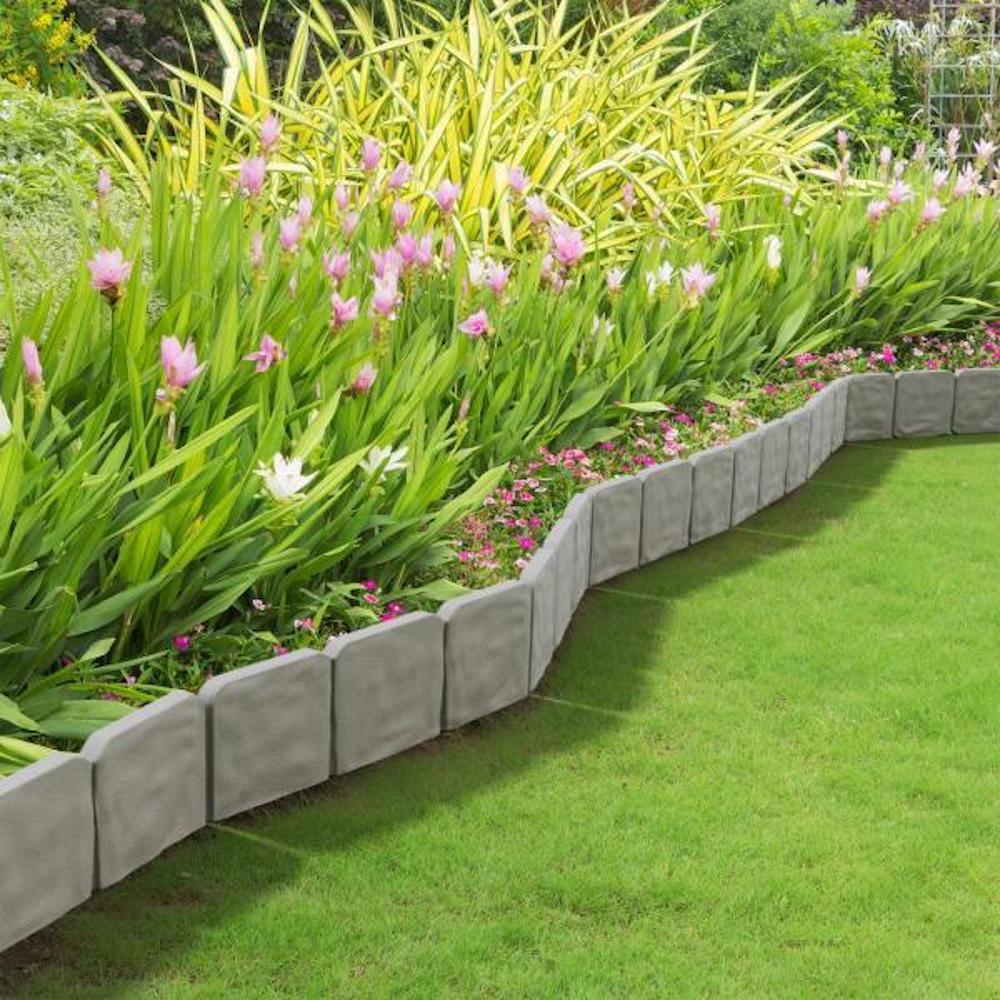
Pavers made from concrete are very hard wearing. But they're heavy to handle and time-consuming to install, so plan on a few days of heavy carrying and digging. You can make paths with pavers, or just use them for edging beds.
Pros: lasts for many years and very attractive
Cons: Time-consuming to install
Rocks are available in an array of sizes, colors, and shapes, and creeping flowers look amazing tumbling over them! Simply line the edges of each bed, but opt for rocks that are the size of a soft ball or larger for the most visual impact. Visit a nursery or garden center for options.
Pros: lasts for many years
Cons: Takes time to fit them together in a pleasing way
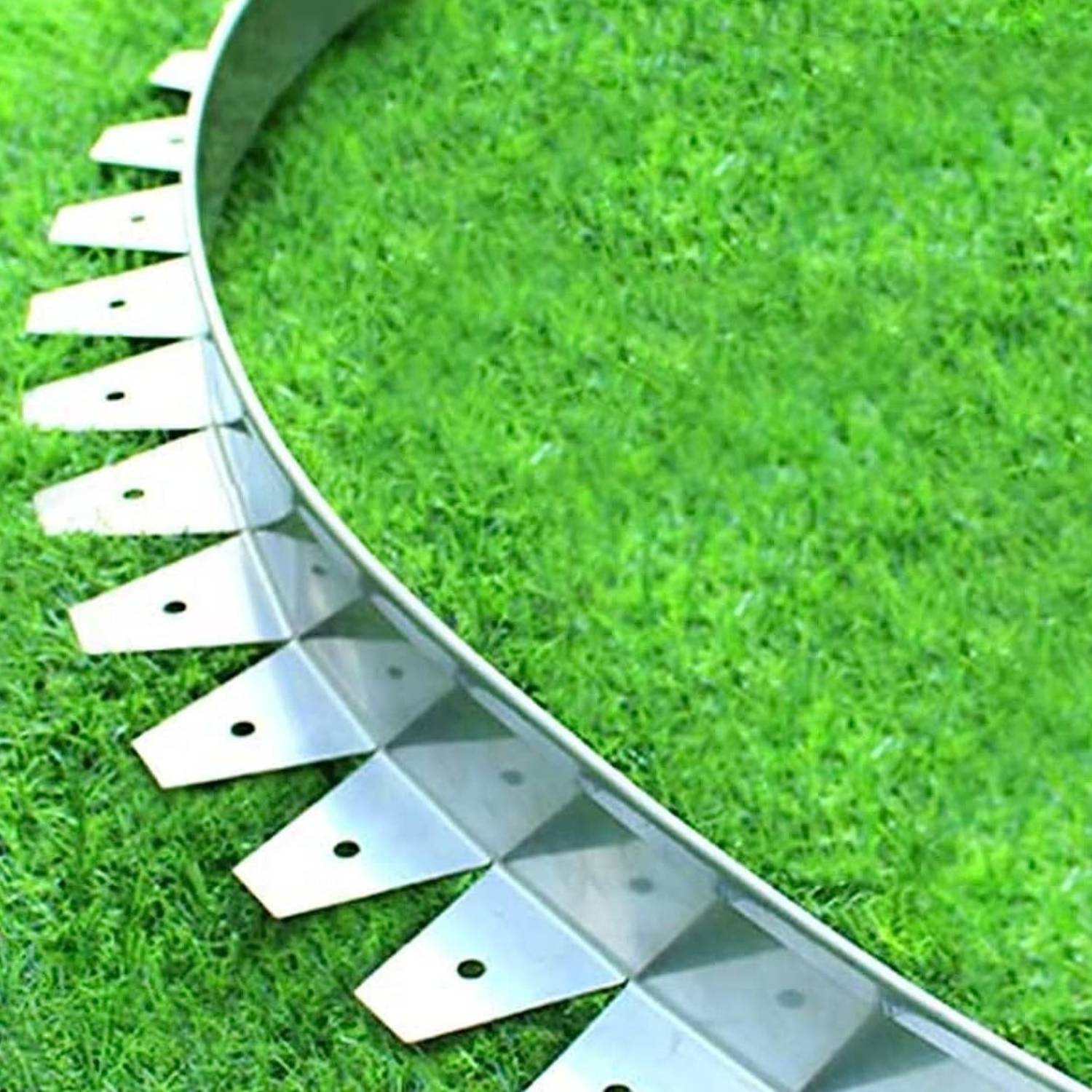
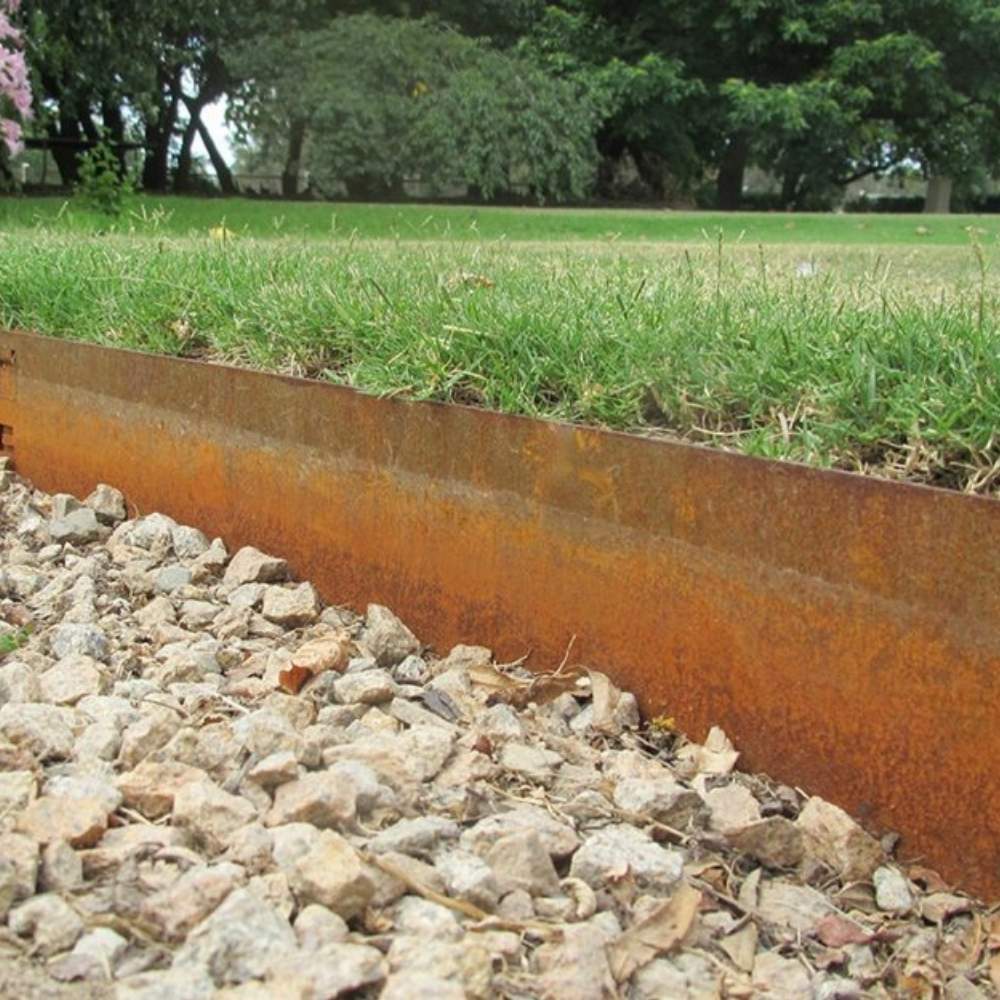
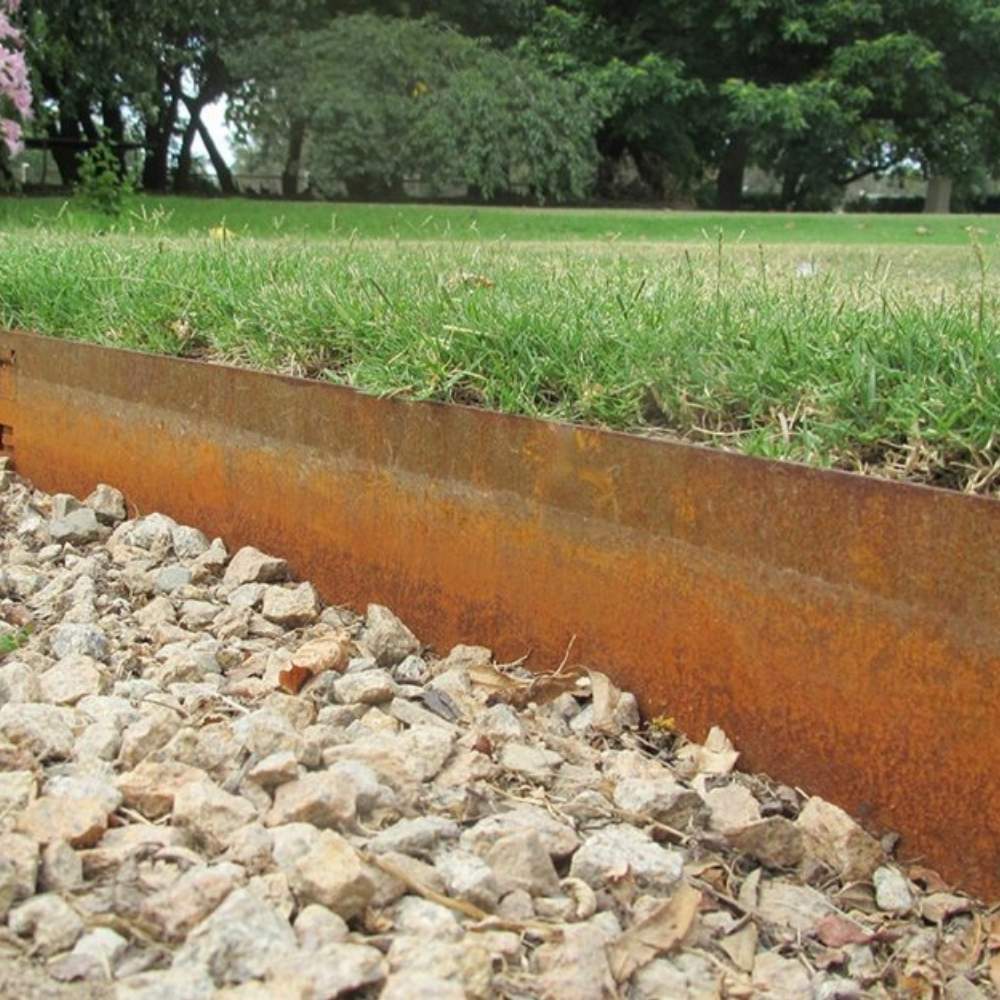
Many types of steel edging is available which can be hammered into the ground. Painted finishes or stainless steel last the longest, but unfinished metal such as weathered steel has an attractive rustic appearance for country gardens.
Pros: Relatively easy to install
Cons: Hard on your hands; wear heavy gloves
Flagstone comes in many different shades and thicknesses. Set the flat pieces along the garden edge, or stack them for a classic look in a cottage or country garden. Check with your local nursery or garden center for options.
Pros: Pretty and lasts for many years
Cons: Relatively expensive
Lay bricks in a shallow trench on their side with the wide side down, or stand them upright. The hardest part is getting everything level. Hint: Use a rubber mallet and line level on a string.
Pros: lasts for many years, relatively inexpensive
Cons: Labor-intensive to install
This is typically not a DIY job for newbies, as you must build a form, then mix and pour concrete into the mold. Consider hiring an expert, because mistakes are not easily fixed.
Pros: Lasts a long time
Cons: Can’t easily adjust the layout of the planting bed in future years
Here’s a great idea if you don’t like the look (or expense) of edging: Use an edging shovel, which looks like a half-moon, or a spade, to cut the grass away and create a sharp edge, which keeps grass from creeping into beds.
Pros: Clean look that works for all garden styles
Cons: Must be done annually, difficult in clay or rocky soils
If you’re handy with a saw, landscape timbers are a cost-effective method of edging. They're often pressure-treated to prevent rotting. You’ll need to level the ground and cut sections as needed.
Pros: Inexpensive and long-lasting
Cons: Cannot be used to create curved borders
Small sections of fence are super-easy for lining a garden perimeter. Many different types and sizes exist including metal, wood, and plastic, so you’ll find the one that suits your garden’s style.
Pros: Easy to place
Cons: Easily damaged, doesn't hold mulch in place
Creating a beautifully landscaped garden involves more than just planting flowers and mowing the lawn. Proper garden edging plays a key role in giving your yard a neat, professional look by clearly defining boundaries between lawn areas, flower beds, and pathways. Whether you choose metal, stone, or wood, incorporating garden border edging into your landscape not only enhances its visual appeal but also helps to maintain order in your garden.
Adding garden border edging serves both practical and aesthetic purposes. It helps to keep grass from creeping into your flower beds and provides a clean separation between different elements of your garden. With a variety of materials available, from natural stone to flexible plastic, edging borders for gardens are an excellent way to customise your outdoor space while ensuring that everything stays in place.
When it comes to choosing the right material for your garden border edging, the options are vast. Each material offers different advantages depending on your garden style and budget.
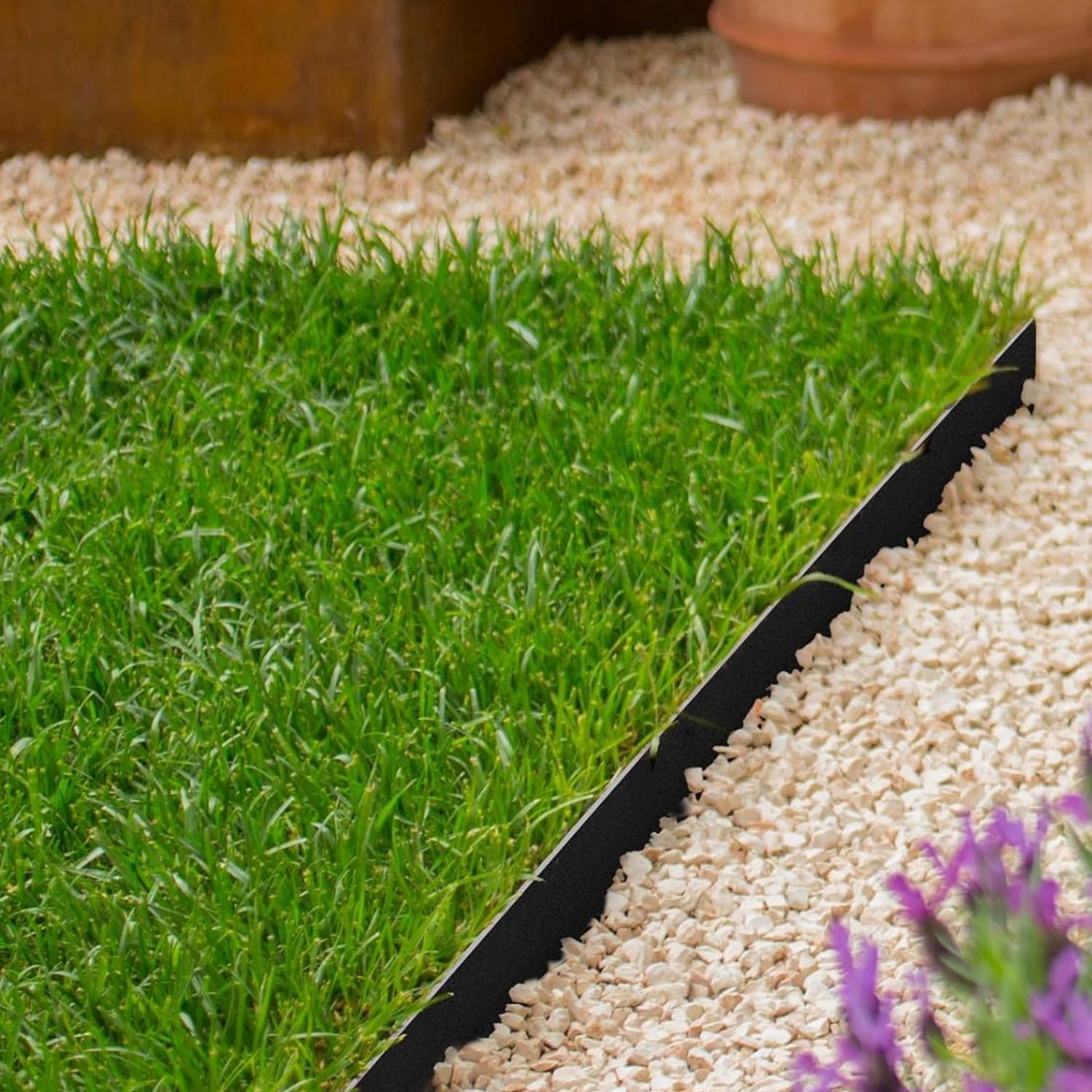
Metal Edging: Metal edging borders for gardens offer a sleek, modern look and are highly durable. They’re perfect for creating sharp, clean lines that give your garden a contemporary feel.
Stone Edging: Natural stone is a popular choice for garden border edging due to its classic, timeless appearance. Stone provides a rustic, organic look that blends seamgthssly with the surrounding landscape.
Wood Edging: Wooden edging borders for gardens offer a warm, natural feel, especially for more traditional or cottage-style gardens. While they may require more maintenance, they can add a charming, rustic touch.
Aside from improving the visual appeal of your yard, garden border edging offers a host of practical benefits. One of the biggest advantages is its ability to prevent grass and weeds from spreading into flower beds or other garden areas. This keeps your garden looking neat and organised with minimal effort. Additionally, edging borders for gardens can also help to improve drainage and protect plants by keeping mulch in place, reducing soil erosion.
Installing garden border edging is easier than you might think, even for those new to DIY projects. Begin by outlining the areas you wish to edge, then dig a shallow trench to place your chosen material. Depending on the type of edging borders for gardens you select, you may need additional tools, such as stakes or connectors, to secure the edging in place. Once installed, your garden will have a clear, defined structure that not only enhances its beauty but also makes maintenance simpler.
Selecting the ideal garden border edging for your yard depends on several factors, including the style of your garden, your budget, and the level of maintenance you’re willing to commit to. If you're looking for a low-maintenance option, metal or plastic edging borders for gardens may be the best choice. For those who prefer a more natural aesthetic, stone or wood can add the perfect touch of charm. Regardless of the material, well-placed garden border edging ensures a polished, well-maintained garden that looks great year-round.
Incorporating garden border edging into your landscape design is an easy and effective way to elevate the overall appearance of your yard. Not only does it add structure and definition to your garden, but it also helps to keep different elements in their designated areas. By selecting the right edging borders for gardens, you’ll create a cleaner, more organised space that’s both functional and visually appealing.
Whether you’re aiming for a contemporary look with sleek metal edging or a more rustic feel with natural stone, investing in high-quality garden border edging is a decision that will enhance your garden for years to come.